By ATGL
Updated April 24, 2024
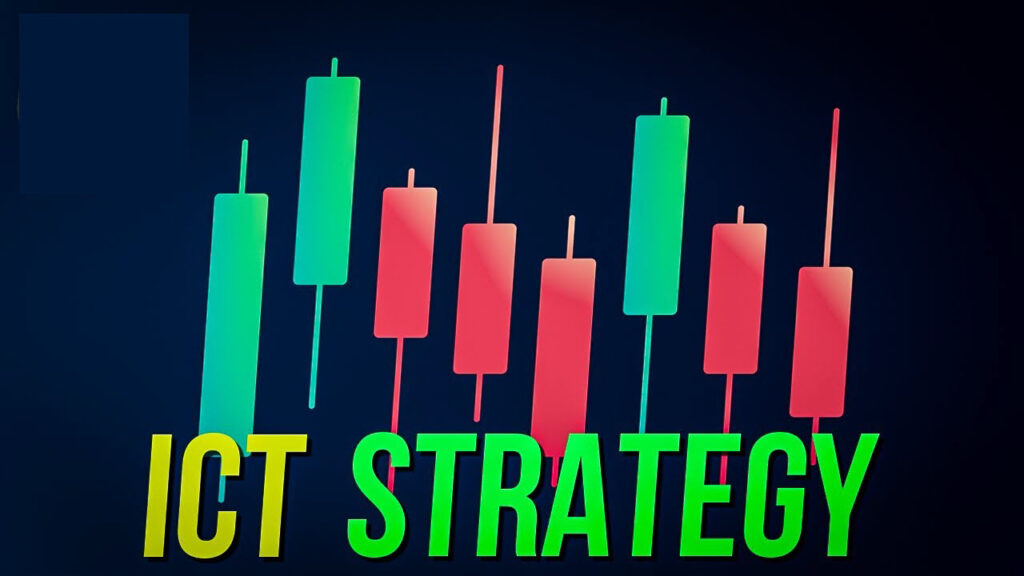
In the fast-paced world of Forex trading, strategy is king. The ICT (Inner Circle Trader) methodology stands tall, whispered reverently across online trading forums and chat rooms. Understanding how to harness the principles of ICT could be your turning point in mastering the complexities of the market.
From the diverse lexicon of trading tactics, five tips emerge as beacons to guide traders through the fog of stochastic oscillators and leverage. These tips are not only stepping stones but the very bedrock of a robust ICT trading strategy.
In the subsequent exploration, we delve into the quintessence of constructing an ICT trading approach — dissecting key concepts, practical tips, and how to stay profitable by trading “above the green line.” Let’s decode the blueprint to build a strategy that can weather the stormy seas of currency exchange.
Key Concepts of the ICT Method You Should Know
Building a successful ICT (Inner Circle Trader) trading strategy requires a deep understanding of its key concepts. At its heart, ICT is driven by technical analysis that scrutinizes price action, seeking to pinpoint where and when new trends might emerge. Here are seven core elements that shape this popular trading methodology:
- Liquidity – The lifeline of the financial markets, where buy-side and sell-side liquidity is identified by the concentration of stop orders.
- Displacement – A phenomenon indicating a market moving away from a value area where there was previous balance.
- Market Structure Shift – When the market makes significant moves, indicating a potential change in the trend.
- Inducement – Actions that trap traders on the wrong side of a move, often visible through candle patterns and false breakouts.
- Fair Value Gap – An area between price levels where the price hasn’t been traded, representing an imbalance in the market.
- Optimal Trade Entry (OTE) – A precision entry method that targets specific price levels within the expansion range for a higher likelihood of trading success.
- Balanced Price Range – The range where price is considered fair and balanced, often attracting trades before a displacement occurs.
These foundational concepts, from identifying swing points to understanding Judas Swings and liquidity levels, guide traders in their decisions, helping to navigate the complexities of the forex markets and beyond.
5 Tips To Build a Successful Inner Circle Trader Strategy
To master the Inner Circle Trader (ICT) trading strategy, one must delve into complex market dynamics and adopt a sophisticated approach to trading the financial markets. Here are five indispensable tips for building a successful ICT trading strategy:
1. Analyze Key FVG Levels on Higher Timeframes and Trends
To capture the essence of market trends and surmise potential reversal points, it is vital to analyze Fair Value Gap (FVG) levels on higher timeframes. ICT methodology relies heavily on the understanding of market structure, which includes recognizing support and resistance levels, as well as how price movements denote buying and selling pressure. A substantial shift in market structure can signify a change in the market’s trend, offering traders new levels for potential entries or exits.
Analyze historical data and patterns as well as real-time data to spot profitable trading settings. Use a blend of technical and fundamental analysis to marry short-term technical signals with long-term market fundamentals for more balanced trading judgments. Inform your trading with the following:
- Support and Resistance Levels: These are pivotal in determining entry and exit points.
- Market Structure Shifts: Keep an eye out for these as they can forecast a change in trend direction.
- Counter-Trend Moves: Recognize these as liquidity hunting opportunities within a broader trend.
- Historical and Real-Time Data Analysis: Leverage ICT tools for deep market insights and potential automated trade setups.
2. Finding Order Blocks or Liquidity Zones
Discovering Order Blocks or Liquidity Zones is a staple of ICT trading. Pinpoint the accumulation zones where traders have placed significant numbers of stop-loss orders—these are the buy-side and sell-side liquidity pools. Typically located at price extremes, these areas mirror where institutions are more likely to initiate action and can provide a clue to where the market may head next.
By predicting the moves of such “Smart Money” actors, an ICT trader can align trades with the momentum that may arise from liquidity being taken out of the market. Here are key factors to monitor:
- Liquidity Zones Extremes: Watch the tops and bottoms of price swings for liquidity accumulation.
- Smart Money Behavior: Target levels that have a high concentration of retail traders’ stops to follow institutional movements.
- Market Dynamics Understanding: Sell-side liquidity and buy-side liquidity are central to identifying ICT trading opportunities.
3. Confirm Candle Patterns and Order Flow Signals
While order blocks and liquidity offer a macro view, candle patterns and order flow provide the granular signals necessary for trade confirmation. The shape and formation of candlesticks can lend insight into market sentiment during different periods. Patterns like Doji, Hammer, Engulfing, and Harami are instrumental in predicting both continuations in trends and potential reversals.
Order flow, on the other hand, shines a light on the undercurrents of market sentiment and possible shifts in momentum. In applying the ICT trading strategy, it’s crucial to:
- Interpret Candlestick Patterns: A thorough understanding of these patterns can indicate impending market moves.
- Monitor Order Flow Signals: These can suggest shifts in market sentiment, furthering the trader’s insight.
- Combine Signals with Technical Indicators: Using a variety of tools can increase the confidence in making informed trades.
4. Enter Trades at Market Structure Swing Points
Identifying and acting upon swing points in market structure is a cornerstone of ICT methodology. These points hold an abundance of liquidity as retail traders instinctively place stop orders above and below these areas, constructing buy-side and sell-side liquidity zones. Recognizing and trading at swing highs and lows allows ICT traders to harness the natural ebb and flow of market movements.
When it comes to entering trades at swing points, consider the following:
- Swing Highs/Lows for Liquidity Gathering: These are prime areas for stop-loss clusters and therefore potential market turning points.
- Strategic Trade Entries: Utilize knowledge of market structure and price levels to place trades in alignment with the smart money.
- Chart Patterns Relevance: Chart formations around these swing points can offer additional insights, validating your trade decisions.
5. Set Appropriate Stop-Loss Levels To Manage Trading Risk
Risk management cannot be understated in any trading approach, particularly within ICT trading. Traders should always employ stop-loss orders to mitigate losses and protect their capital. Accurate stop-loss placement considers varied factors, including recent market highs and lows, session volatility, and market movements away from significant levels. This protective measure is crucial, especially when trading systems are automated, to avoid excessive dependency on technology and maintain control over trade outcomes.
Effective risk management comprises of:
- Strategic Stop-Loss Placement: Use critical market points to place logical and protective stop-loss orders.
- Real-Time Risk Analysis: Adapt your stop-loss levels in response to shifting market conditions.
- Position Sizing: Couple your stop-loss strategy with a sound position sizing model, adjusting for the volatility and the account size.
- Market Analysis: Continuously analyze market movement signals to refine the placement of your stop-loss levels.
As you craft your own ICT trading strategy, remember that short paragraphs and clear lists can aid clarity and improve the understanding of complex concepts. Here’s a quick recap in list form:
- Analyze FVGs and trends on higher timeframes.
- Identify order blocks and liquidity zones.
- Confirm trades with candle patterns and order flow signals.
- Trade at market structure swing points.
- Manage risk with proper stop-loss levels.
Endeavor to integrate these tips into your trading methodology and consistently evolve your strategy to align with ever-changing market conditions. Stay informed, stay adaptive, and manage risks tightly to navigate the complex world of financial trading successfully.
Profit From Forex Market Trading With Above the Green Line
Above the Green Line is committed to empowering investors to harness the potential of the Forex market. Following the Inner Circle Trading (ICT) philosophy, which is an embodiment of Michael Huddleston’s teachings, the company advocates for a trading strategy rooted in understanding price action and market psychology.
Adopting the ICT methodologies, which are centered around the core principles of supply and demand, can be especially lucrative in the realm of forex trading. Above the Green Line provides the resources needed to delve into this intricate trading system.
Incorporating key aspects of trading success, such as technical analysis and market trends identification, the ICT approach demands a deep commitment to learning the intricacies of market structure and liquidity levels. This dedication to developing a robust trading strategy can potentially meet the stringent requirements for proprietary firm funding.
By allocating time to refine and backtest the ICT strategies, investors can elevate their trading decisions, thereby maximizing the possibility of profitable outcomes over time. Above the Green Line serves as a beacon for traders aiming to navigate the complexities of the Forex markets effectively.

Related Articles
Investing in Bonds: The Complete How-To Guide Covering Every Bond Type, Purchase Method, and Portfolio Role
Social Trading Explained: How It Works and What the Platforms Won’t Tell You

Risk-Adjusted Returns: Why Smarter Investors Focus on More Than Performance
Retirement Investment Strategies: The Phase-by-Phase Framework That Changes How You Approach Every Stage