By Andrew Stowers
Updated March 7, 2026
What Is the XBI ETF?
The SPDR S&P Biotech ETF (XBI) is an exchange-traded fund designed to track the performance of the biotechnology industry. Instead of buying shares of individual biotech companies, investors can purchase the ETF and gain exposure to dozens of firms across the sector. That structure is one of the core advantages of ETFs. They allow investors to diversify across many companies within a specific industry while trading the fund like a single stock.
If you’re still learning the mechanics of ETFs, understanding the difference between an etf vs index fund can help clarify how these investment vehicles operate and why ETFs have become so widely used. XBI focuses specifically on biotechnology companies. These firms typically research and develop medical treatments, pharmaceuticals, and genetic therapies. Because innovation moves quickly in this industry, biotech investing tends to attract investors looking for growth potential rather than stable income.
Equal-Weight Structure
One detail that makes XBI unique is its equal-weight structure. Many ETFs weight holdings by market capitalization. That means the largest companies dominate the portfolio. But XBI distributes its weight more evenly across its holdings.
The result? Smaller biotech firms have more influence on the fund’s performance. This design can increase volatility—but it also allows emerging companies to drive returns if their research breakthroughs succeed.
What Companies Are in XBI?
The fund typically holds over 150 biotechnology companies. These include firms focused on:
- drug development
- genetic medicine
- biotechnology research
- pharmaceutical innovation
Unlike some biotech ETFs that concentrate heavily on large pharmaceutical companies, XBI spreads its exposure across companies of different sizes.
That means investors gain exposure to:
- established biotech firms
- mid-size companies
- smaller experimental drug developers
Large vs Small Biotech Firms
The presence of smaller companies is one reason XBI can experience sharp price swings. Early-stage biotech companies often rely on clinical trials and regulatory approvals to generate revenue. A single announcement—positive or negative—can dramatically impact stock prices. Because XBI holds many of these companies, the ETF often moves more aggressively than broader healthcare funds. For investors comfortable with volatility, that characteristic can create opportunity.
Why Investors Use Biotech ETFs
The biotech industry sits at the intersection of medicine, technology, and scientific discovery. Breakthrough therapies can create massive economic value.
Think about developments like:
- gene editing
- cancer immunotherapy
- personalized medicine
These innovations can transform entire medical fields.
Rather than attempting to predict which individual company will succeed, some investors prefer buying sector etfs that spread exposure across the entire industry. A biotech ETF like XBI allows investors to participate in the growth of the sector while reducing the risk of relying on a single company.
Sector Growth Potential
Healthcare spending continues to rise globally. Aging populations, medical innovation, and biotechnology research all contribute to long-term industry growth. That doesn’t mean biotech stocks move steadily upward. The sector is famously volatile. But historically, periods of major scientific breakthroughs have driven strong investment returns across the biotech industry. That potential keeps many investors interested in funds like XBI.
Risks of Investing in XBI
Of course, growth potential rarely comes without risk. Biotechnology investing carries several unique challenges. Clinical trials can fail. Regulatory approvals can take years. Drug development costs are enormous, and many experimental treatments never reach the market. These uncertainties can produce significant stock price volatility.
Biotech Volatility
If you look at the historical chart of XBI, you’ll notice something quickly: the ETF does not move smoothly.
Biotech ETFs often experience large swings due to:
- drug approval announcements
- clinical trial results
- FDA regulatory decisions
- mergers and acquisitions
Because the fund holds many smaller companies, these events can have a larger impact on performance. That volatility can be uncomfortable for some investors but attractive for others who believe in the long-term growth of biotechnology.
XBI vs Other Biotech ETFs
XBI isn’t the only biotech ETF available. Another well-known fund is the iShares Biotechnology ETF (IBB). While both funds track the biotechnology sector, their structure differs. IBB tends to weight companies by market capitalization. That gives large biotech companies more influence on the fund’s performance. XBI, on the other hand, distributes weight more evenly across its holdings.
That difference leads to distinct behavior:
- XBI often experiences higher volatility
- IBB tends to be more stable but less influenced by smaller biotech firms
Understanding ETF costs is also important when comparing funds. Investors often evaluate management fees, which are reflected in the expense ratio charged by the ETF.
How XBI Fits Into a Diversified Portfolio
One of the biggest questions investors ask is not just what an ETF does, but where it belongs in a portfolio.
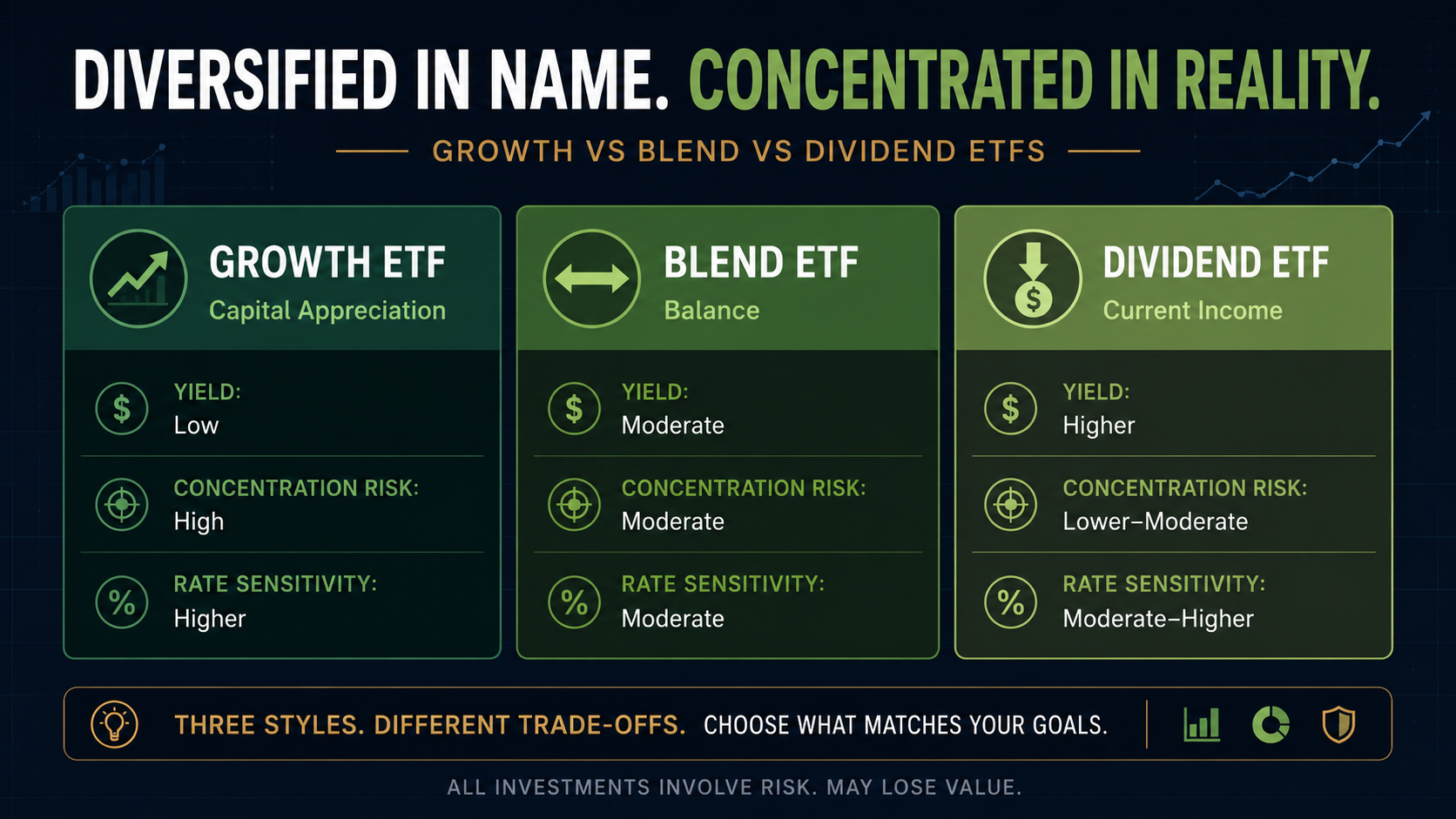
Biotech exposure can play a very different role compared with traditional sectors like consumer staples, utilities, or financials. Those industries often provide steady revenue streams and stable dividends. Biotechnology companies, on the other hand, tend to prioritize research and development rather than predictable income.
That distinction matters when constructing a portfolio. Most diversified investors build portfolios using a mix of asset types: broad market ETFs, sector funds, dividend stocks, and sometimes fixed income investments. In that context, a biotech ETF like XBI usually serves as a growth-oriented satellite position rather than a core holding.
In practical terms, that means many investors allocate only a small percentage of their portfolio to biotechnology. The goal is to participate in potential breakthroughs and industry growth without exposing the entire portfolio to the sector’s volatility.
For example, a typical allocation approach might look like:
- Broad market ETFs forming the core of the portfolio
- Sector ETFs providing targeted exposure to industries like technology or healthcare
- Smaller positions in specialized funds such as biotechnology
This layered approach allows investors to benefit from sector-specific opportunities while maintaining diversification across the broader market.
Another factor worth considering is the innovation cycle within biotechnology. Drug development and clinical trials often unfold over several years. Because of that timeline, biotech investing tends to reward patience rather than short-term trading.
Investors who follow the sector closely often watch for developments such as:
- major clinical trial announcements
- FDA drug approvals
- mergers and acquisitions within the pharmaceutical industry
- new breakthroughs in gene therapy or medical research
These events can significantly impact biotech stocks and, by extension, funds like XBI. At the same time, it’s important to recognize that not every promising drug or therapy reaches commercialization. Many experimental treatments fail during testing phases. That uncertainty is one of the reasons diversified exposure through an ETF can be appealing compared with investing in individual biotech stocks.
Instead of betting on a single company’s success, XBI spreads exposure across more than a hundred firms involved in biotechnology research and development. Over the long run, this diversification allows investors to capture the upside of successful innovations while reducing the risk that comes with relying on one company’s pipeline. Of course, no sector allocation should exist in isolation. Biotech investing works best when integrated into a broader strategy that balances risk, growth, and stability across different parts of the market. Understanding how funds like XBI fit into that framework helps investors approach biotechnology not as speculation, but as a calculated piece of a well-structured portfolio.
Should XBI Be in Your Portfolio?
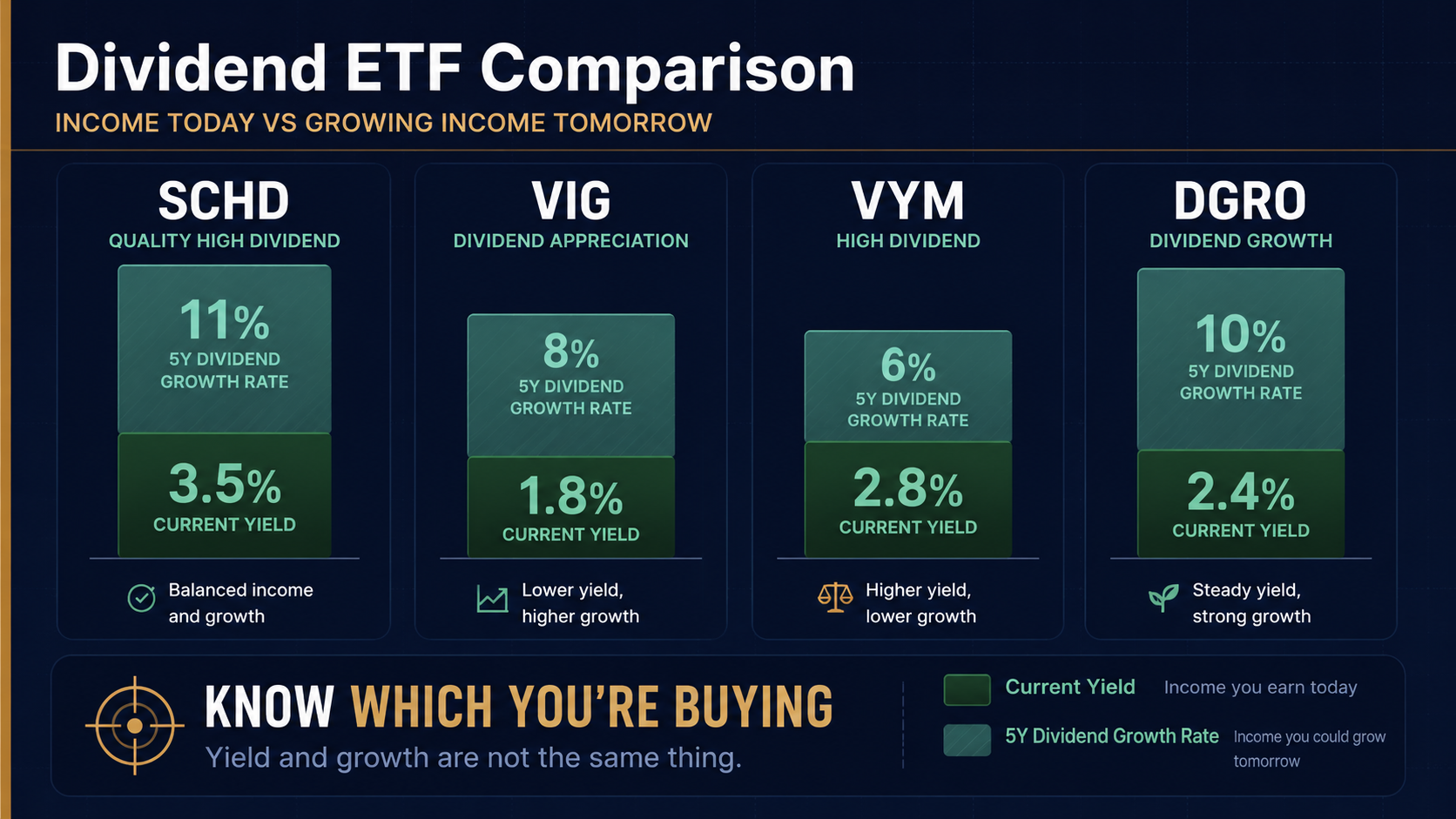
Whether XBI belongs in a portfolio depends on the investor’s goals. Biotech ETFs typically appeal to investors seeking growth rather than income. Unlike many dividend-focused investments, the fund does not prioritize regular payouts. Investors focused on income may prefer strategies centered around a dividend investing strategy, where the goal is generating consistent cash flow. XBI serves a different role. It offers targeted exposure to a highly innovative industry. For investors constructing diversified portfolios, biotechnology may represent one component within a broader allocation framework. Many investors explore different etf investing strategies to balance growth sectors with more stable assets. The key is understanding the role each investment plays.
Bringing It All Together
Here’s the real takeaway.
The XBI ETF isn’t just another fund. It’s a gateway into one of the most dynamic sectors of the market.
Biotechnology innovation has the potential to reshape medicine, healthcare, and entire industries. That opportunity attracts investors looking for growth—but it also comes with real volatility. Understanding how sector ETFs work helps investors evaluate whether funds like XBI fit into their long-term strategy.
If you want to explore more ways to build a smarter investment approach, you can browse the educational resources across our site—from ETF analysis to dividend investing strategies. You can also explore our Top 100 Candidates screening list, track payout schedules with the dividend calendar, or review our current positions to see how strategies play out in real markets. And if you want structured guidance on applying these concepts consistently, consider exploring our membership.
Because successful investing rarely comes from chasing headlines. It comes from understanding the strategy behind the investment.

Related Articles
ETF =======> [pt_view id=”fb2451fm3r”]