By ATGL
Updated February 18, 2026
The Decision That Shapes Long-Term Outcomes
Every investor eventually reaches a recurring decision point: what should be done with incoming cash flow? Dividends arrive, profits are realized, and surplus capital accumulates. The choice to spend or reinvest may appear routine, yet over decades it becomes one of the most influential drivers of financial outcomes. A reinvestment strategy is not merely a tactic—it is a long-term philosophy about how capital should behave once it begins generating returns.
Rather than viewing profits as an endpoint, disciplined investors treat them as additional fuel. This mindset shifts the focus from consumption to expansion. Over time, the difference between withdrawing earnings and reinvesting them can represent hundreds of thousands—or even millions—of dollars in divergence.
The Mathematics Behind Reinvestment
The power of reinvestment is grounded in compounding. Compounding occurs when returns begin generating their own returns, creating growth that accelerates instead of remaining linear. The early stages often feel slow because each reinvested amount is relatively small. However, as the base grows, each new cycle produces increasingly larger increments.
What makes reinvestment unique is that it allows wealth to expand without requiring additional external income. Instead of contributing fresh capital, investors use the returns already produced. This internal growth engine is what transforms steady investing into exponential wealth creation over long periods.
Dividend Reinvestment as a Practical Example
Dividend-paying stocks provide one of the clearest real-world demonstrations of reinvestment. When dividends are used to purchase additional shares rather than withdrawn as cash, ownership increases automatically. Each new share then generates its own dividend, expanding the income base without additional deposits.
This cycle illustrates how modest yields can evolve into substantial income streams. A portfolio that initially produces small quarterly payments can, over time, develop into a meaningful source of passive income simply because dividends were allowed to compound rather than being spent. The strategy rewards patience and consistency more than timing or prediction.
Reinvestment Beyond Dividends
Reinvestment is not limited to dividend stocks. The principle applies equally to capital gains, interest payments, rental income, or business profits. Any surplus that is redeployed into productive assets contributes to the compounding cycle. The broader the application, the stronger the long-term effect.
For example, an investor who periodically reallocates trading profits into diversified long-term holdings creates a layered portfolio structure. Each layer builds upon previous gains instead of resetting to zero. This cumulative effect gradually increases both resilience and growth potential.
Life Stages and Strategic Flexibility
An effective reinvestment strategy evolves with time. Early in an investor’s life, reinvestment often takes priority because the greatest asset available is time itself. With decades ahead, the emphasis naturally leans toward growth and expansion. Later stages may introduce a gradual shift toward income distribution as financial goals change.
The key distinction is recognizing reinvestment and withdrawal as phases rather than permanent identities. Investors who rigidly adhere to one mode without adjustment may find themselves misaligned with their financial needs. Strategic flexibility allows reinvestment policies to match life transitions while preserving long-term momentum.
Behavioral Discipline and Emotional Influence
Psychology frequently determines whether reinvestment succeeds or fails. Immediate gratification competes with delayed reward, and markets often amplify emotional responses. During strong bull markets, the temptation is to spend gains quickly. During downturns, reinvesting can feel counterintuitive even when valuations become more attractive.
The investors who benefit most from reinvestment are those who detach short-term emotions from long-term objectives. They recognize that volatility is a natural component of markets rather than a signal to abandon discipline. Consistency, rather than intensity, becomes the defining trait.
Risk Awareness and Portfolio Balance
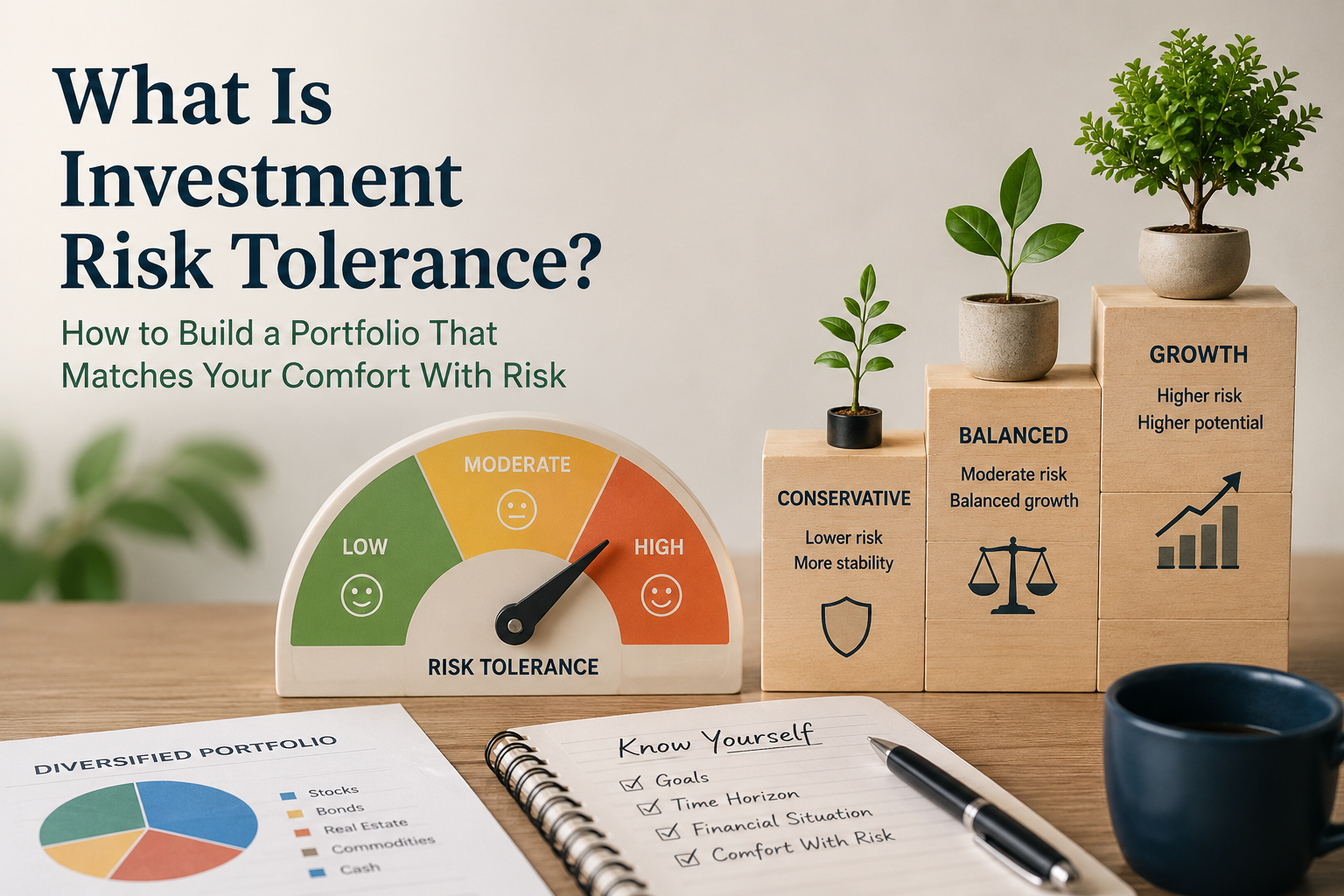
Reinvestment must be accompanied by thoughtful allocation. Automatically directing every dollar into the same asset can create unintended concentration risk. A sustainable reinvestment strategy considers diversification, valuation, and financial strength rather than defaulting to repetition.
Balance does not require complexity. Even modest adjustments—such as redirecting reinvested capital into underrepresented sectors or broader index funds—can enhance stability. The goal is to ensure that compounding strengthens the portfolio rather than narrowing its exposure.
Tax Efficiency and Structural Considerations
Tax treatment influences the net effect of reinvestment. Certain accounts allow earnings to compound without immediate taxation, magnifying long-term benefits. Even in taxable environments, understanding how dividends and gains are treated can improve efficiency.
Investors who align reinvestment with tax-advantaged structures often experience smoother growth curves because fewer returns are lost to friction. While tax rules vary by jurisdiction, the underlying principle remains universal: efficient compounding is more powerful than nominal compounding.
Opportunity Cost and Capital Allocation
Reinvestment also introduces the concept of opportunity cost. Choosing where to redeploy capital requires evaluation rather than automation. Additional shares of an existing holding may be attractive, but new opportunities could present stronger long-term prospects or improved diversification.
This decision transforms reinvestment from a mechanical process into a strategic one. Investors who regularly assess allocation choices ensure that reinvested capital aligns with evolving market conditions and personal objectives. Over time, these incremental decisions shape portfolio trajectory more than any single trade.
Automation and Consistency
Modern technology has simplified reinvestment through automation. Scheduled investments and dividend reinvestment programs reduce emotional interference and promote consistency. Automation does not eliminate decision-making; it enforces discipline once a strategy is defined.
Consistency often outperforms precision. Small, repeated actions accumulate into meaningful results, whereas sporadic large moves tend to introduce emotional volatility. By removing friction, automation strengthens the reinvestment habit and allows compounding to operate uninterrupted.
Conclusion: Cultivating Growth Through Discipline
A reinvestment strategy represents a commitment to allowing capital to remain productive. It is less about speed and more about endurance. Wealth accumulation rarely stems from a single extraordinary event; it is built through repeated, disciplined decisions that compound over time.
Investors who understand reinvestment recognize that income can serve two purposes—immediate reward or future expansion. Neither choice is inherently right or wrong, but the intentional selection of one over the other defines long-term financial direction. When reinvestment is applied thoughtfully, supported by discipline and balance, it transforms ordinary returns into a powerful engine of financial independence. Join Above the Green Line today and learn more.

Related Articles
[pt_view id=”9b64b383ox”]