Rules-Based Frameworks for Disciplined Entry, Exit, and Risk Control
Stock trading is most effective when decisions are driven by structure and discipline, not emotion or prediction. Markets move quickly, and without a defined framework, traders are often pulled into reactive behavior—chasing price, overtrading, or exiting positions prematurely.
At Above the Green Line, stock trading is approached through rules-based strategies that focus on repeatable processes, technical confirmation, and risk awareness. The objective is not to forecast market tops or bottoms, but to participate in opportunities where conditions align with predefined criteria.
This guide outlines the core principles behind structured stock trading strategies and connects you to deeper resources covering indicators, execution logic, and portfolio discipline.
For a comprehensive, step-by-step framework that brings these concepts together, see the Stock Trading Master Guide, which covers portfolio construction, entry and exit discipline, risk management, technical indicators, and behavioral psychology within a complete rules-based trading system.
Why a Structured Stock Trading Strategy Matters
Without a clear strategy, trading decisions often become inconsistent. A rules-based framework helps traders:
Maintain discipline during market volatility
Avoid emotional entry and exit decisions
Apply consistent evaluation criteria across trades
Define risk before capital is committed
Measure performance objectively over time
Markets are unpredictable, but a structured approach allows traders to manage uncertainty with clarity and consistency.
Core Elements of a Rules-Based Stock Trading Strategy
Defined Entry Criteria
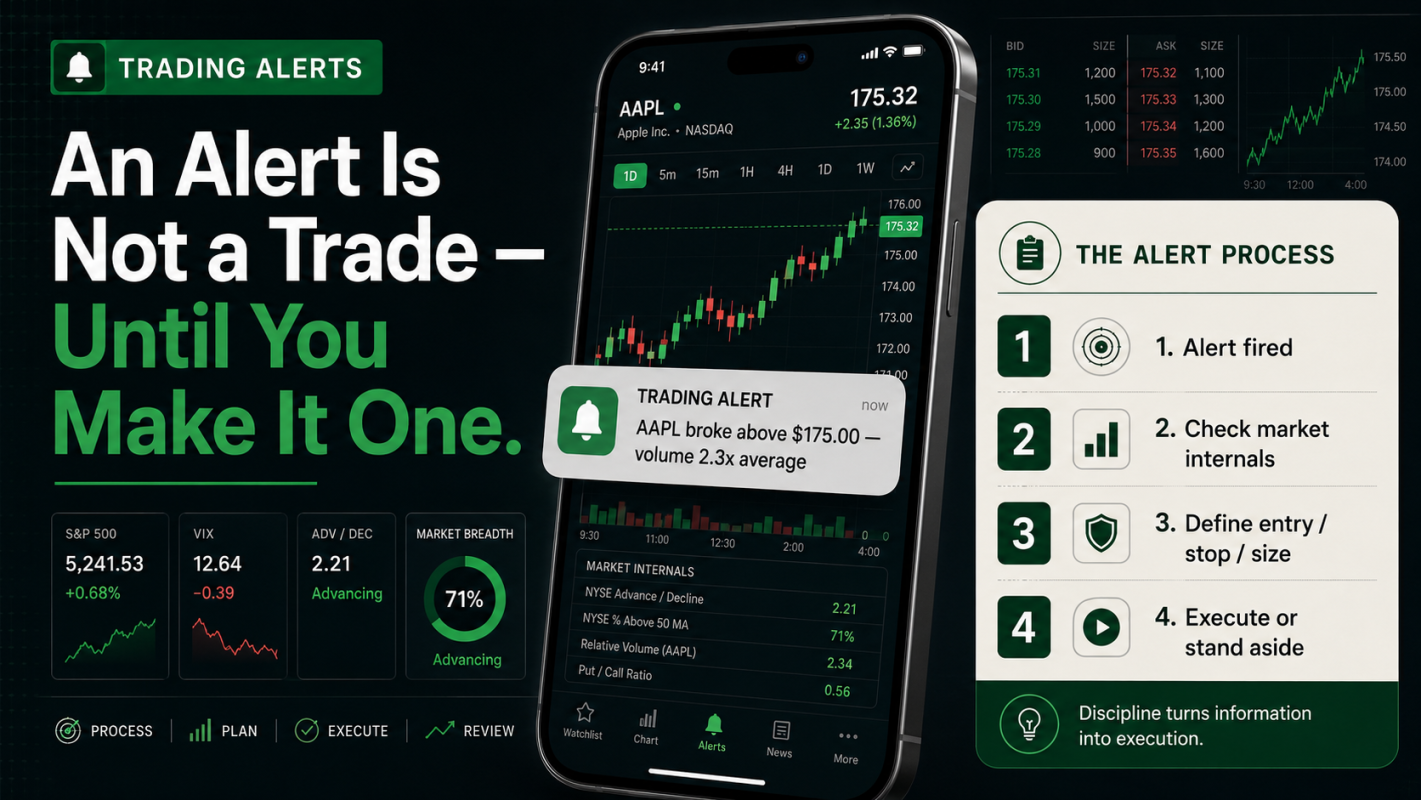
Strong trades begin with objective signals rather than intuition. A rules-based approach evaluates measurable conditions such as:
Clear entry criteria improve discipline and reduce hesitation when opportunities appear.
Planned Exit Logic
A trade is not complete without a defined exit. Exit rules help remove emotional decision-making once capital is committed and typically include:
Profit targets based on technical resistance or percentage thresholds
Protective stop levels to limit downside exposure
Trailing exits to protect gains as trends develop
Knowing when to leave is often more important than knowing when to enter.
Risk Management First
Capital preservation is the foundation of long-term trading success. A structured system emphasizes:
Position sizing relative to portfolio size
Maximum risk per trade limits
Avoiding concentration in a single stock or sector
The goal is not avoiding losses entirely — it is ensuring losses remain controlled and survivable.
Consistency Over Prediction
Effective trading is not about forecasting every market move. It is about applying a repeatable decision framework that works over time.
A rules-based strategy focuses on:
Process over emotion
Probability over certainty
Discipline over impulse
When applied consistently, the cumulative effect of small, well-managed decisions often outweighs occasional large wins.
Indicators and Technical Context
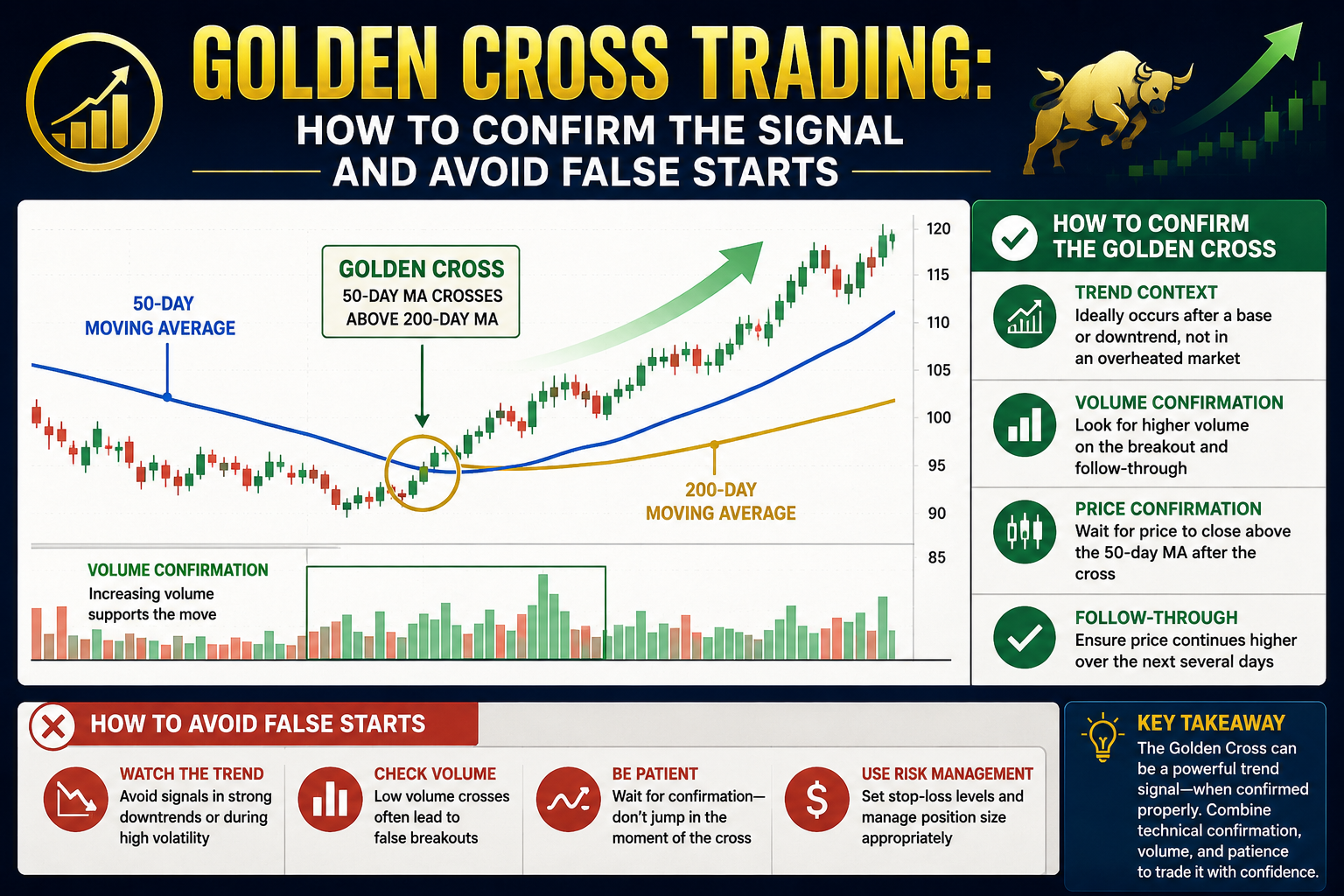
Technical indicators provide context, not certainty. When used together within a structured framework, they help traders evaluate trend strength, momentum, and potential risk conditions.
Common analytical elements include:
Trend direction and confirmation
Momentum and relative strength
Volume and participation
Volatility awareness
Indicators are most effective when used as part of a system rather than in isolation.
Time Horizon and Trade Management
Stock trading strategies can vary by time frame, but alignment between strategy and execution is essential. Clear expectations around holding period, volatility tolerance, and review cadence help maintain discipline throughout the trade lifecycle.
Stock trading strategies often complement broader investment approaches such as ETF allocation, dividend growth investing, and market analysis. When integrated within a rules-based framework, active trading can coexist with longer-term strategies while maintaining portfolio balance and risk awareness.
In Closing
Effective stock trading is built on process, discipline, and repeatability. By defining entry criteria, managing risk, and applying consistent evaluation rules, traders can approach the markets with greater confidence and clarity. This guide serves as a foundation for understanding structured stock trading strategies, while the linked articles provide deeper insight into execution, indicators, and ongoing refinement.
Trading involves risk. Past performance does not guarantee future results.
Above The Green Line’s systematic approach has completely transformed my trading. I’ve gone from inconsistent results to reliable gains, even during market downturns.”
John D.
Member Since 2019
The systematic approach has been a game-changer for my portfolio. I no longer second-guess my trading decisions and have seen consistent returns even in volatile markets.”
Sarah K.
Retired Financial Advisor
I’ve tried several trading services, but Above The Green Line stands out for its clear signals and educational approach. My annual returns have improved by over 20% since joining.”
Michael R.
Engineer & Part-time Trader
The community aspect is invaluable. Being able to learn from experienced traders and discuss strategies in real-time has accelerated my trading knowledge tremendously.