By Andrew Stowers
Updated March 19, 2026
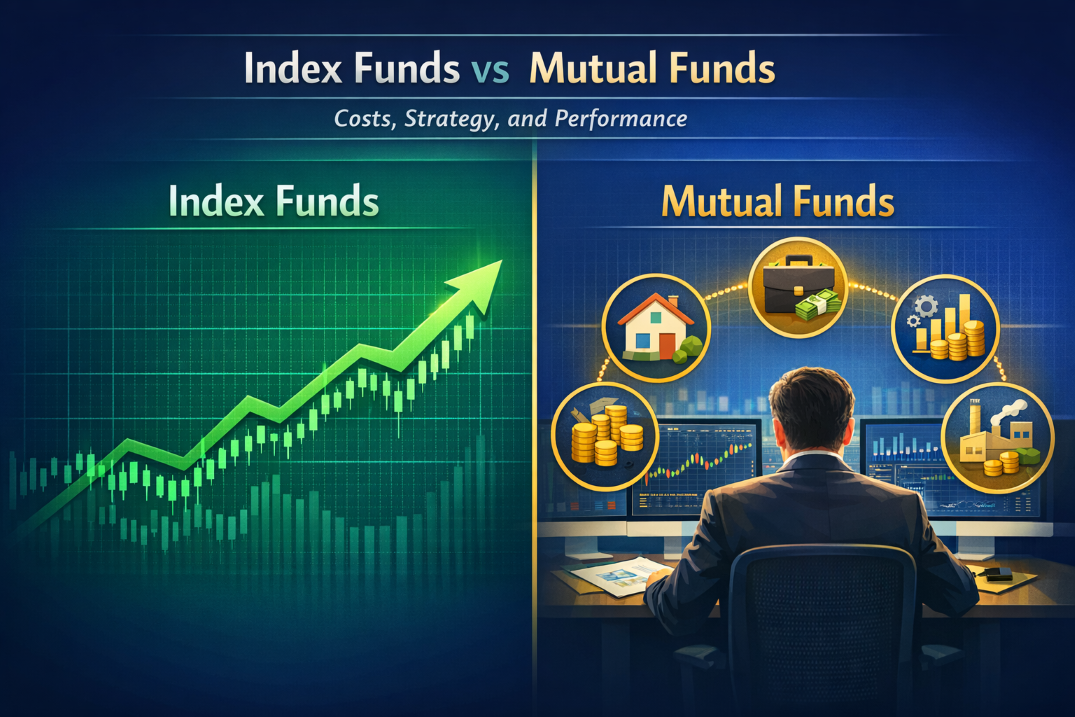
Investors today have more choices than ever when building a diversified portfolio. Two of the most common investment vehicles available are index funds and mutual funds. Both allow investors to pool money together and gain exposure to a diversified group of securities. However, the way these funds operate—and the costs associated with them—can differ significantly.
Understanding the difference between index funds and mutual funds is important for investors who want to build long-term wealth. Investors exploring broader passive investment strategies may also benefit from an ETF Investing Guide when comparing how different fund structures track markets. While both investment types offer diversification and professional management, their strategies and fee structures can lead to different investment outcomes over time.
What Are Index Funds?
Index funds are investment funds designed to track the performance of a specific market index. Instead of selecting individual stocks, index funds replicate the holdings of a market benchmark such as the S&P 500.
How Index Funds Work
Index funds follow a passive investment strategy. This means the fund manager does not attempt to outperform the market by selecting individual securities. Instead, the goal is to mirror the performance of the underlying index.
For example, an S&P 500 index fund holds shares of the same companies included in the S&P 500. As the index rises or falls, the fund’s value moves accordingly. Many investors researching index funds to invest in choose funds that track broad market indexes because they provide exposure to hundreds of companies in a single investment.
Benefits of Index Funds
One of the biggest advantages of index funds is their simplicity. Because the fund simply tracks an index, it requires less active decision-making from portfolio managers. This passive approach also helps reduce operating costs. As a result, index funds typically charge lower fees than actively managed funds. These lower costs can significantly improve long-term investment returns.
Why Many Investors Prefer Passive Investing
Over the past several decades, passive investing has gained enormous popularity among both individual investors and large institutions. One of the primary reasons for this shift is the difficulty many actively managed funds have in consistently outperforming the broader market after accounting for fees.
When investors purchase an index fund, they are essentially accepting the overall performance of the market rather than attempting to beat it. For many long-term investors, this approach provides a practical balance between diversification and simplicity. By owning a broad market index, investors gain exposure to hundreds or even thousands of companies without needing to research individual stocks.
Passive investing strategies often prioritize long-term market exposure, diversification, and cost efficiency rather than frequent trading or market timing. Because index funds typically have lower operating costs, investors keep more of their returns over time. Even small differences in fees can compound significantly over decades of investing. For this reason, many long-term investors prefer passive strategies that minimize expenses while capturing the overall growth of the market.
What Are Mutual Funds?
Mutual funds are pooled investment vehicles managed by professional portfolio managers. Unlike index funds, many mutual funds attempt to outperform the market through active management.
Active Fund Management
In actively managed mutual funds, portfolio managers research individual securities and make investment decisions based on market conditions, company fundamentals, and economic outlook. The goal is to identify investments that will outperform the broader market. However, active management also increases operational costs. Fund managers, analysts, and research teams all contribute to higher management fees.
Types of Mutual Funds
Mutual funds can invest in a variety of asset classes. Some funds focus on stocks, while others invest primarily in bonds or a combination of both.
Common types of mutual funds include:
- equity mutual funds
- bond mutual funds
- balanced funds
- sector-specific funds
Each type offers different levels of risk and return potential.
Key Differences Between Index Funds and Mutual Funds
Although index funds are technically a type of mutual fund, the two are often compared because of their different investment strategies.
Fees and Expense Ratios
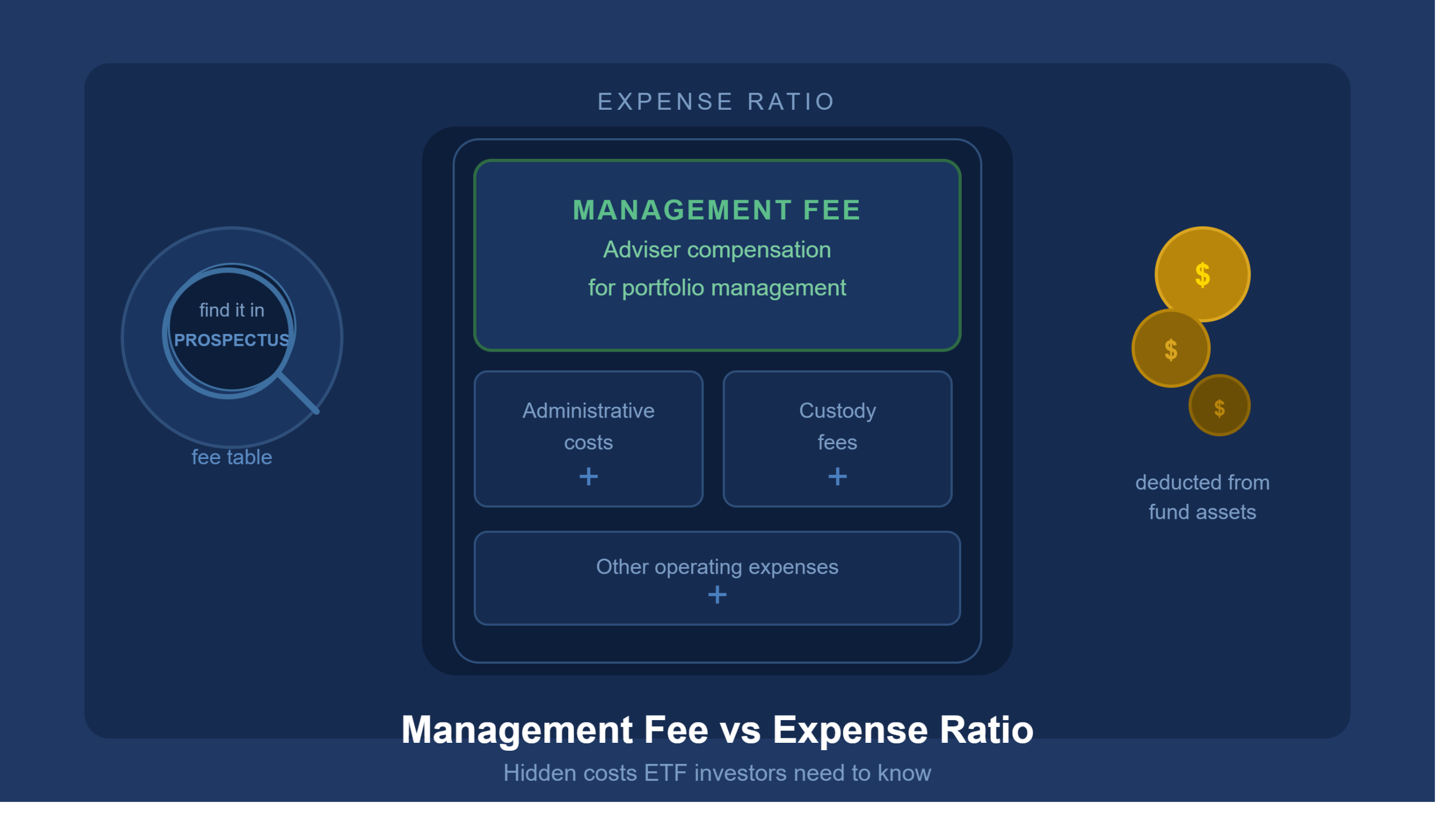
One of the most important differences between index funds and actively managed mutual funds is cost. Every investment fund charges a management fee, commonly referred to as the expense ratio. Funds with higher expense ratios can reduce the total return investors receive over time. Because index funds require less active management, their expense ratios are usually much lower. Understanding how the expense ratio affects long-term performance is essential for evaluating investment options.
Investment Strategy
Index funds follow a passive strategy that tracks market indexes. Mutual funds, on the other hand, often rely on active management to attempt to beat market performance. While active strategies can sometimes outperform the market, research has shown that many actively managed funds struggle to consistently outperform broad market indexes over long periods.
Performance Comparison
Historical Market Performance
Over long investment horizons, index funds have often performed competitively with actively managed mutual funds. One reason for this is the impact of fees. Even small differences in expense ratios can compound into significant performance differences over time. Because index funds track entire markets, they capture overall market growth without relying on individual stock selection.
Why Fees Matter Over Long Investment Horizons
One of the most important factors investors should consider when comparing index funds and mutual funds is the long-term impact of fees. While the difference between a 0.05% expense ratio and a 1.0% expense ratio may appear small in a single year, the effect becomes much larger over decades of investing.
Consider an investor who invests $10,000 in a fund that grows at an average annual rate of 7%. If the fund charges a very low expense ratio, most of that return remains in the investor’s account. However, if the fund charges significantly higher management fees, those costs reduce the investor’s overall growth.
Over a 30-year investment horizon, the difference between low-cost index funds and higher-fee actively managed funds can amount to tens of thousands of dollars in lost returns. This is one reason many long-term investors carefully evaluate fund costs before selecting investments.
Index funds often provide a straightforward solution for investors who want diversified market exposure without paying high management fees. While actively managed mutual funds may outperform the market during certain periods, maintaining consistent outperformance over long periods has historically proven difficult. Understanding how fees influence long-term performance is an essential concept when evaluating investment options.
Risk and Volatility
Both index funds and mutual funds can experience market volatility. However, index funds often provide broader diversification because they track large market indexes. Diversification can help reduce the risk associated with individual company performance.
How Investors Use Index Funds and Mutual Funds
Investors often use these funds as the foundation of their long-term portfolios.
Building a Diversified Portfolio
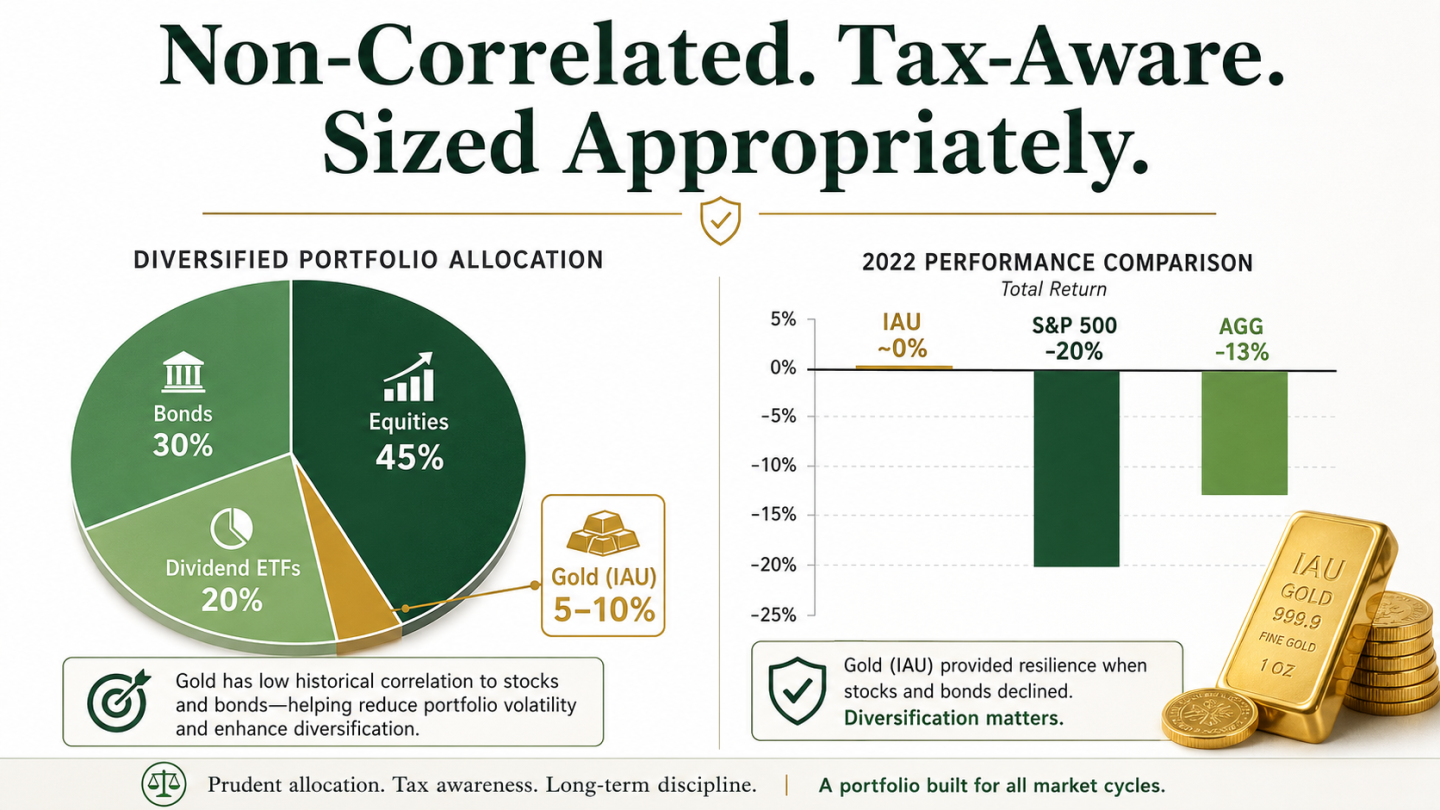
Many investors build diversified portfolios using funds that track different asset classes. For example, an etf portfolio may include index funds covering domestic stocks, international markets, and bonds. Diversification helps reduce the risk associated with investing in a single company or sector.
Which Option Is Better for Beginners?
For many beginner investors, index funds offer a simple and cost-effective entry into the market. Their passive strategy and lower fees make them easier to understand compared with actively managed funds. However, some investors still prefer actively managed mutual funds if they believe experienced managers can identify opportunities that outperform the broader market.
When Mutual Funds May Still Make Sense
Although index funds have become extremely popular, mutual funds still serve an important role in many investment portfolios. Actively managed mutual funds may provide benefits in certain market environments where professional management can add value. For example, some actively managed funds specialize in niche markets such as emerging economies, specialized sectors, or complex bond markets. In these cases, experienced portfolio managers may have access to research resources that individual investors do not.
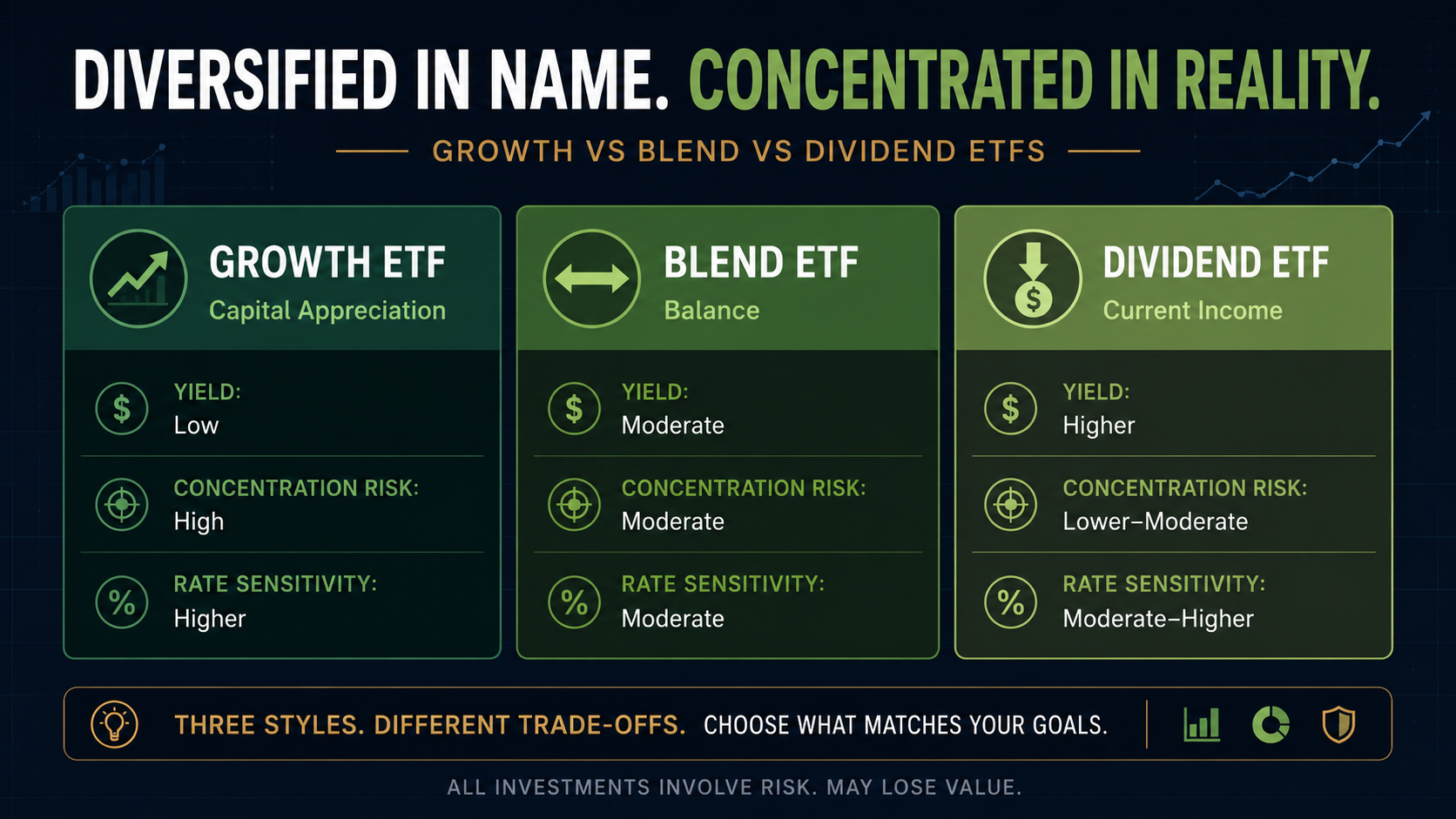
Mutual funds may also provide flexibility for investors seeking specialized strategies. Some funds focus on income generation, dividend strategies, or capital preservation. These strategies may appeal to investors with specific financial goals.
However, even when considering actively managed funds, investors should carefully evaluate fees, historical performance, and investment strategy. The long-term success of any fund ultimately depends on how effectively it balances risk, diversification, and cost. For many investors building diversified portfolios, a combination of index funds and selectively chosen mutual funds can provide both stability and flexibility.
Bringing It All Together
Here’s the key takeaway.
Index funds and mutual funds both offer investors access to diversified portfolios, but they operate with different strategies and cost structures. Index funds follow passive investment strategies that track market indexes, while many mutual funds rely on active management to attempt to outperform the market. Understanding these differences can help investors choose investments that align with their long-term financial goals.
While passive investing through index funds offers diversification and low costs, some investors prefer rules-based stock selection strategies that aim to identify strong momentum stocks. At Above the Green Line, our approach focuses on disciplined technical signals and structured entry and exit rules designed to reduce emotional decision-making. If you want structured guidance on applying disciplined investment strategies and building a thoughtful investment plan, you can explore our membership.
Because successful investing isn’t about chasing complex strategies.
It’s about building a consistent approach that works over time.

Related Articles
[pt_view id=”fb2451fm3r”]