
ETF Strategy Guide
Rules-Based ETF Investing for Diversification and Portfolio Discipline
Exchange-Traded Funds (ETFs) provide investors with an efficient way to gain diversified exposure to markets, sectors, and asset classes through a single security. Rather than selecting individual stocks, ETF strategies focus on allocation, balance, and structured decision-making to manage risk while participating in broader market trends.
At Above the Green Line, ETF investing is approached through rules-based frameworks rather than prediction or speculation. By applying measurable indicators, allocation rules, and disciplined review processes, investors can build portfolios designed for clarity and consistency across changing market environments.
This guide outlines the core principles of ETF strategy, allocation considerations, and analytical frameworks, while linking to deeper resources for continued learning.
For a comprehensive, step-by-step framework that brings these concepts together, see the ETF Investing Master Guide, which details portfolio construction, allocation structure, risk management, and implementation within a rules-based system.
Why ETF Strategies Matter
ETFs are widely used because they combine diversification, liquidity, and transparency into a single investment vehicle. A structured ETF strategy helps investors:
- Reduce company-specific risk through broad exposure
- Maintain portfolio balance across sectors and asset classes
- Apply consistent allocation rules
- Manage volatility through diversification
- Rebalance portfolios efficiently over time
Rather than reacting to short-term market swings, ETF strategies emphasize discipline and long-term structure.
Core Elements of an ETF Strategy
Diversified Allocation
Effective ETF strategies balance exposure across sectors, geographies, and asset classes rather than concentrating capital in a single market theme. Diversification helps reduce company-specific and sector-specific risk while still allowing participation in broader market growth. A well-constructed allocation considers equity vs. fixed income exposure, domestic vs. international balance, and sector weighting to maintain stability across economic cycles.
Expense Awareness
Expense ratios influence long-term compounding more than many investors realize. Even small fee differences can materially impact portfolio performance over extended periods. Selecting ETFs with competitive expense structures helps preserve capital efficiency and supports sustainable growth, particularly for long-term or recurring allocation strategies.
Liquidity and Volume
Trading volume and liquidity affect execution quality. ETFs with higher average daily volume generally provide tighter bid-ask spreads, smoother trade entry and exit, and reduced slippage — especially important when scaling positions or rebalancing portfolios. Liquidity also contributes to price transparency and consistent valuation throughout market hours.
Risk Management
Not all ETFs carry the same risk profile. Broad index ETFs often provide relative stability, while leveraged, inverse, or narrowly focused thematic ETFs can introduce significantly higher volatility. Structured position sizing, allocation limits, and periodic review help maintain portfolio balance and prevent overexposure to any single strategy or sector.
Common ETF Strategy Approaches
ETF strategies vary based on objective, time horizon, and risk tolerance. Common approaches include:
- Index Tracking – Broad market participation through benchmark ETFs.
- Sector Rotation – Shifting exposure between industries based on relative strength or macro conditions.
- Dividend-Focused ETFs – Income generation through diversified dividend holdings.
- Thematic Exposure – Participation in emerging industries or innovation-driven sectors.
- Tactical Allocation – Adjusting weightings as indicators and market conditions change.
Each strategy involves trade-offs between growth potential, stability, and volatility.
Indicators and Structured Analysis
While ETFs provide diversification, timing and allocation decisions still benefit from structured analysis. Indicators help investors evaluate context rather than rely solely on sentiment or headlines.
Common analytical elements include:
- Trend direction and relative strength
- Volume participation and momentum
- Sector leadership and rotation signals
- Volatility awareness and risk-reward balance
Indicators do not guarantee outcomes; they provide probability-based context within a disciplined framework.
Portfolio Review and Rebalancing
ETF portfolios benefit from periodic evaluation to maintain alignment with objectives and risk tolerance. Key considerations include:
- Asset-class distribution (equity, fixed income, commodities)
- Sector weight balance
- Geographic diversification
- Time horizon and income vs growth goals
- Reinvestment or withdrawal strategy
Structured rebalancing prevents portfolio drift and reinforces disciplined decision-making.
Core Articles & Foundational Topics
Start With These ETF Strategy Foundations
- ETF Allocation Framework
- Sector Rotation Principles
- Expense Ratios and Long-Term Impact
- Dividend ETF Evaluation
- Risk and Volatility Management
Latest ETF Strategy Articles
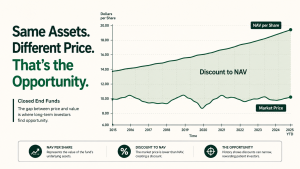
Closed End Funds: The Misunderstood Income Vehicle Trading at a Discount (And What That Means for You)
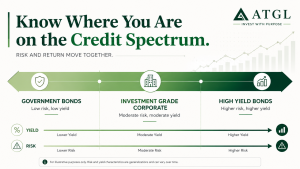
Corporate Bonds: What Every Investor Needs to Know Before Buying One
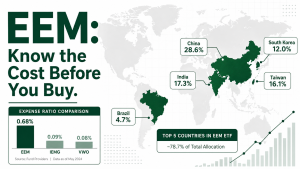
EEM ETF: What Most Emerging Markets Investors Don’t Know About the Fund They’re Buying
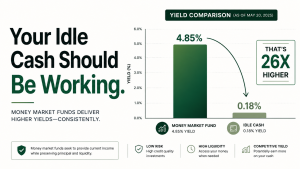
Money Market Funds: The Complete Guide Most Savers and Investors Never Get (But Should)
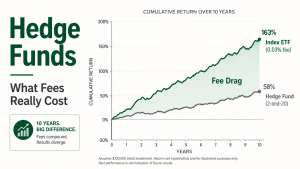
Hedge Funds: What They Really Are, What They Actually Cost, and Why Most Can’t Beat the Market
How ETF Strategies Fit Within a Broader Framework
ETF strategies often complement dividend growth investing, market analysis, and structured stock trading approaches. By combining diversified ETF exposure with disciplined evaluation rules, investors can balance stability with opportunity while maintaining portfolio clarity and risk awareness.
Closing Paragraph
ETF strategies emphasize diversification, structure, and disciplined allocation rather than short-term prediction. By focusing on expense efficiency, liquidity, and measurable evaluation criteria, investors can build portfolios designed to adapt across market cycles. This guide serves as a central reference point, while the linked articles provide deeper insight into allocation methods, risk management, and ongoing portfolio refinement.
Investing involves risk. Past performance does not guarantee future results.