By ATGL
Updated February 1, 2026
Growing global investor demand for flexible trading access has made 24-hour trading an increasingly important feature in modern capital markets. Technological advances enable continuous market access, while growing international participation drives the need for efficient price discovery across global time zones. This expansion creates new opportunities for institutional investors and day trading professionals to respond to market developments around the clock, altering how price formation and risk management strategies operate in modern markets.
What Is 24-Hour Trading?
24-hour stock trading allows investors to buy and sell securities outside traditional market hours through pre-market, regular, after-hours, and overnight sessions. This differs from standard market operations by extending order execution windows and using modified trading rules to accommodate global participants.
Investors can respond immediately to developments like European market moves, Asian economic announcements, earnings releases, or geopolitical events without waiting for the next trading session.
This accommodates international investors by aligning U.S. market access with their local business hours while improving price discovery and reducing the price discontinuities that occur between trading sessions. Continuous trading allows information to be incorporated into prices as it becomes available rather than accumulating overnight and creating gaps at market open.
Which Markets Trade 24 Hours a Day
Global forex markets operate 24 hours a day, five days a week, making them the most established continuous trading venues. Major currency pairs trade seamlessly as activity shifts from Sydney to Tokyo, then London, and finally New York, creating overlapping sessions that maintain liquidity throughout the trading day.
Futures markets extend continuous trading to equity indices, commodities, and interest rate derivatives. These markets provide price discovery for underlying assets, reflecting overnight sentiment and global developments that influence market direction before cash markets open.
Cryptocurrency markets operate seven days a week, with no traditional market closures. While these markets maintain constant trading capabilities, liquidity and volatility patterns vary significantly across different time periods and geographic regions.
U.S. equity markets have expanded traditional trading through after-hours sessions via electronic networks. Major exchanges now offer pre-market access from 4:00 a.m. to 9:30 a.m. ET and after-hours trading from 4:00 p.m. to 8:00 p.m. ET, with some platforms extending overnight access until the next morning’s pre-market session.
How Extended-Hours Stock Trading Works
Extended-hours trading uses electronic systems that match buy and sell orders without market makers actively providing liquidity. During regular hours, market makers continuously quote bid and ask prices to facilitate trading, but this active participation is largely absent during extended sessions, contributing to wider spreads and reduced liquidity. This creates different trading conditions, typically limiting transactions to specific order types and applying execution rules that differ from those during standard market hours.
Accessing extended sessions requires specific permissions and platform capabilities that vary between brokerages. Most major retail platforms now offer extended-hours access, though the available securities, permitted order types, and trading windows vary by provider. Not all stocks participate in extended-hours trading. Brokers typically limit eligibility to more liquid securities and exchange-traded funds that can handle the reduced trading volumes.
The technology relies on electronic communication networks that gather liquidity from various market participants willing to trade outside regular hours. This creates a more fragmented market structure where liquidity pools are spread across multiple venues rather than concentrated in centralized exchanges.
Order execution follows modified priority rules with time and price precedence maintained, though execution delays may extend due to reduced market maker participation. Understanding these mechanics is important for applying effective day trading tips during these periods.
Liquidity, Spreads, and Volatility After Hours
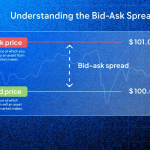
Fewer market participants during extended hours changes trading conditions significantly. Lower liquidity leads to wider bid-ask spreads and higher transaction costs for entering and exiting positions.
This liquidity reduction increases price impact, where individual orders move markets more than during regular hours when institutional volume provides price stability. The participant mix also shifts from institutional-dominated regular hours to retail-heavy extended sessions, affecting price discovery efficiency and creating temporary pricing gaps.
Liquidity risk increases during U.S. overnight hours when trading volumes are lowest. These conditions can trap investors in positions when prices move against them, as the reduced participant pool makes it difficult to exit at expected price levels.
Volatility increases with reduced trading volume, creating larger price swings from smaller transaction amounts. News events or earnings announcements outside regular hours can also trigger sharp price movements that persist until normal liquidity returns, creating opportunities for informed traders while increasing risks for others. Learning to identify and avoid liquidity trap scenarios — situations where insufficient trading volume makes it difficult to exit positions without significant price impact — becomes important for protecting capital during these risk conditions.
Futures and Their Role in 24-Hour Price Discovery
Equity index futures provide the market’s main way of processing information outside regular trading hours. E-mini S&P 500, Nasdaq, and Dow contracts offer continuous price discovery for major equity indices, immediately reflecting global news cycles, economic announcements, and geopolitical developments in market expectations.
Continuous futures trading creates an efficient information processing system across global time zones. Asian market movements influence futures pricing during U.S. overnight hours, while European economic releases drive price adjustments in the pre-market period, so relevant global developments are reflected in U.S. market expectations before cash markets open.
The relationship between futures and underlying cash markets extends beyond simple price indication to create arbitrage opportunities and risk management tools for sophisticated investors. Futures prices often signal the likely direction of market openings while providing hedging options for portfolio managers adjusting exposure based on overnight developments.
International events directly influence futures pricing, where central bank announcements in Asia or geopolitical developments in Europe immediately affect U.S. equity expectations through continuous futures trading activity.
Tools and Platforms for 24-Hour Traders
Different brokers offer varying extended-hours access, making platform selection important for trading success. Interactive Brokers, Charles Schwab, and Robinhood each maintain distinct capabilities and requirements that directly affect trading opportunities.
Extended-hours volatility prompts most platforms to restrict transactions to limit orders, prohibiting market orders to prevent unexpected execution prices. Large orders can move prices significantly when fewer traders participate, requiring careful attention to position sizing during these periods.
Regular market data sources stop operating outside standard hours, creating the need for specialized monitoring tools. Real-time futures feeds indicate market direction, while international market data and economic calendars provide advance notice of price-moving events.
Around-the-clock news services keep traders informed of developments that create opportunities or pose risks, while technical analysis platforms with multi-session capabilities help interpret how these events affect overnight price patterns. Traders can also use a systematic pre-market checklist to tie these monitoring tools together, providing daily preparation for the unique trading conditions that extended hours present.
Extended-hours trading involves distinct risks that differ from regular session dynamics, making expert guidance valuable for consistent performance.
Above the Green Line provides real-time buy and sell signals, dynamic charts with Green Zone indicators, and technical analysis tools designed for active trading strategies. Explore Above the Green Line’s membership options to access these systematic trading tools and chart-based analysis for extended-hours market participation.

Related Articles
Margin Call Explained: What Triggers It and How to Avoid One

AMC Short Squeeze Explained: Timeline, Causes, and Trading Risks
Volatility Clustering in Financial Markets: Understand Why It Happens
Chaikin Money Flow (CMF): How to Use Volume to Spot Real Market Strength