By ATGL
Updated September 24, 2025
In the span of minutes, financial markets can descend into chaos. Trillions of dollars in value can evaporate, only to reappear just as quickly, leaving investors and traders bewildered and often with significant losses. This phenomenon, known as a flash crash, is a stark reminder of the speed and complexity of modern electronic markets. It’s a sudden, severe, and rapid price decline followed by an equally swift recovery. Understanding how these violent market episodes happen is no longer optional for serious traders; it is a fundamental aspect of navigating today’s technology-driven financial landscape. This article will deconstruct the anatomy of a flash crash, explore its causes, and provide actionable lessons to help traders protect themselves from these volatile events.
What Is A Flash Crash?
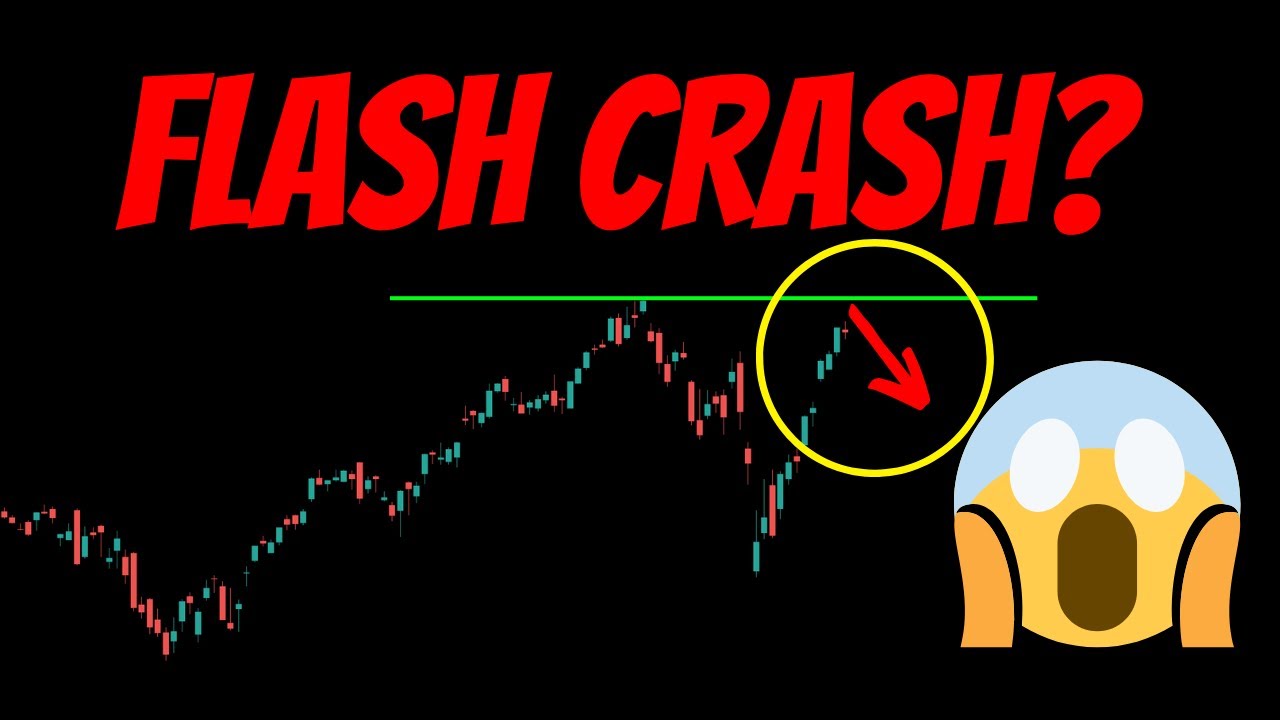
A flash crash is a specific type of market event characterized by three core elements: extreme speed, significant depth, and a rapid reversal. Unlike a traditional market crash or a prolonged bear market, which can unfold over days, weeks, or months, a flash crash happens in minutes or even seconds. During this brief period, asset prices can plummet across one or multiple markets, wiping out bids and creating a vacuum of liquidity.
This differs from a standard selloff in both its velocity and its V-shaped recovery. A typical decline often reflects a shift in fundamentals or sentiment; a flash crash is usually a structural breakdown in market microstructure. A small initial disturbance—an order entered at the wrong size or time, a fleeting imbalance, or a poorly designed algorithm—can cascade as automated systems react in lockstep. Prices often rebound quickly once the pressure subsides and arbitrage capital recognizes dislocations. If you study extreme price acceleration, you’ll recognize that these air-pocket moves can echo the dynamics discussed in Parabolic Curves and Stocks, where momentum outruns liquidity and mean reversion follows.
While inherently unpredictable, certain backdrops make a flash crash more likely: elevated volatility alongside thinning liquidity, patchy depth in the order book, and fragmented venues showing inconsistent prices. In that fragile state, a single outsized or erroneous print can push through thin support, triggering automated liquidations.
Notable Flash Crashes In Market History
The May 6, 2010 “Flash Crash” remains the canonical example. Within minutes, the Dow Jones Industrial Average fell nearly 1,000 points—about nine percent—before recovering most of the losses by the close. Some blue-chip names briefly traded at absurd levels, exposing the limits of routing logic and displayed liquidity.
Digital assets have seen similar dynamics. In June 2017, Ethereum on GDAX (now Coinbase Pro) plunged from above $300 to mere cents after a single large sell order swept the book and cascaded into stop-outs and forced liquidations. More recently, venue-specific air pockets have hit both U.S. and European markets, where individual stocks or indices briefly dislocated and then normalized. The common thread is not the asset class but the interaction between speed, fragmented liquidity, and mechanized execution.
What Causes Flash Crashes To Happen
Flash crashes rarely have a single cause; they emerge from the interaction of code, market design, and human behavior. Algorithmic and high-frequency trading systems supply much of today’s liquidity, but their risk controls can withdraw quotes simultaneously when volatility spikes, creating an order-book vacuum just as aggressive flow arrives. Marketable orders then “walk the book,” filling at progressively worse prices, and stop orders convert into market orders that extend the move.
The structural vacuum is frequently amplified by behavior. When traders see precipitous moves without a clear catalyst, panic selling can compound the algorithmic feedback loop. In some episodes, manipulative practices such as spoofing have sparked or intensified the slide. None of these ingredients alone guarantees a flash crash; together, in the wrong sequence, they can tip a fragile market into a violent but brief breakdown.
Lessons Traders Can Learn From Flash Crashes
Execution control is the first line of defense. A market order in a vacuum will fill at any price, which is precisely the wrong time to relinquish price control. Limit orders let you define a minimum acceptable sale or a maximum acceptable purchase, reducing the chance of prints at irrational levels. Building rule-based entries and exits around Technical indicators for trading can help, but those signals must be paired with disciplined order types and sizing.
Position management is equally important. Leverage magnifies slippage and can force liquidations at the worst moment. Right-sizing exposure within a coherent plan—grounded in your broader investment strategies and timeframe—keeps a single air pocket from becoming catastrophic. As you specialize, align tactics with your preferred horizon by contrasting Long-term and. short-term strategies.
Finally, abstention is a position. When volatility spikes and displayed depth evaporates without a fundamental driver, standing aside preserves capital and attention. Clarity usually returns; you want to be ready when it does.
How Markets Have Adapted Since 2010
Regulators and exchanges have introduced guardrails designed to slow or contain runaway prints. Market-wide circuit breakers at 7%, 13%, and 20% declines impose cooling-off periods in index futures and cash equities. Single-name Limit Up–Limit Down bands constrain trades to dynamic price corridors. When thresholds are breached, you will encounter trading halts, which pause execution long enough for liquidity to regroup. Surveillance has also improved, with venues monitoring for anomalies such as spoofing and momentum ignition. These measures can’t eliminate flash crashes, but they reduce the depth and duration of dislocations and improve post-event integrity.
Learn How Avoid the Pitfalls of Poor Investment
Navigating modern markets demands structured preparation, not ad-hoc reactions. Education, process, and repetition matter more than prediction. If you’re building a durable approach, begin with foundational concepts, layer in signal development and execution rules, and pressure-test your plan across regimes. Our Beginner’s guide to stock trading and resources on investment strategies can help you turn broad principles into a practical playbook.
Conclusion
Flash crashes are woven into today’s high-speed, fragmented marketplace. They arise when algorithms, thin liquidity, and human reflexes align in the wrong order—then dissipate as value buyers and arbitrageurs step in. You don’t need to predict the next one to manage its risk. Define execution with limits, right-size and de-leverage when conditions warrant, and let your process—not panic—dictate your actions. With a disciplined framework and a clear plan, episodes that once felt existential become manageable anomalies within a long, compounding journey. Join Above The Green Line today.

Related Articles
[pt_view id=”9517038dwu”]